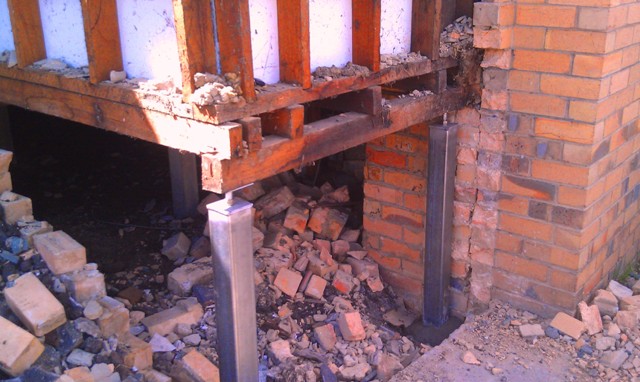
The importance of restumping your house

Restumping your house is an essential home maintenance task that involves replacing or repairing the foundation piers or stumps that support your home. Over time, these stumps can shift, rot, or deteriorate due to factors like weather, soil movement, or aging materials. Restumping helps ensure the stability and safety of your property, and it can prevent more significant damage in the future. Here's why it's important to restump your house.

1. Prevents Structural Damage
The stumps or foundation piers are crucial for distributing the weight of your home evenly. If they become weak, it can lead to uneven settling, which might cause cracks in walls, floors, and ceilings. Restumping helps maintain the structural integrity of the building, preventing costly repairs down the line.

2. Avoids Safety Hazards
A compromised foundation can make your home unsafe to live in. Uneven floors or structural instability can create dangerous conditions, such as trip hazards or the risk of collapse. Restumping ensures your home remains safe for everyone living inside.

3. Improves Home Value
A stable foundation is one of the most important factors when determining a home's value. If you're planning to sell your property, prospective buyers will be more confident in a house with a properly restumped foundation. It also shows that the house has been well-maintained, which can justify a higher asking price.

4. Protects Against Moisture and Pests
Damaged or rotting stumps can allow moisture to penetrate beneath your home, leading to mold, mildew, or pest infestations. Restumping can help seal your home off from environmental hazards, safeguarding your home and your family’s health.

Difference between restumping and reblocking

These terms have one similarity- they focus on the foundation of the house. The foundation of the house is the structure that holds a house. Restumping and reblocking (replacing) can be used interchangeably, especially when referring to foundation stumps that require replacement. These two processes employ similar methods.

Restumping, reblocking are the processes involved in replacing and repairing the wooden or concrete stumps used in supporting the foundation of a house. These processes are quite similar since they all deal with the foundation, restumping or reblocking involve the complete replacement of foundations stumps.

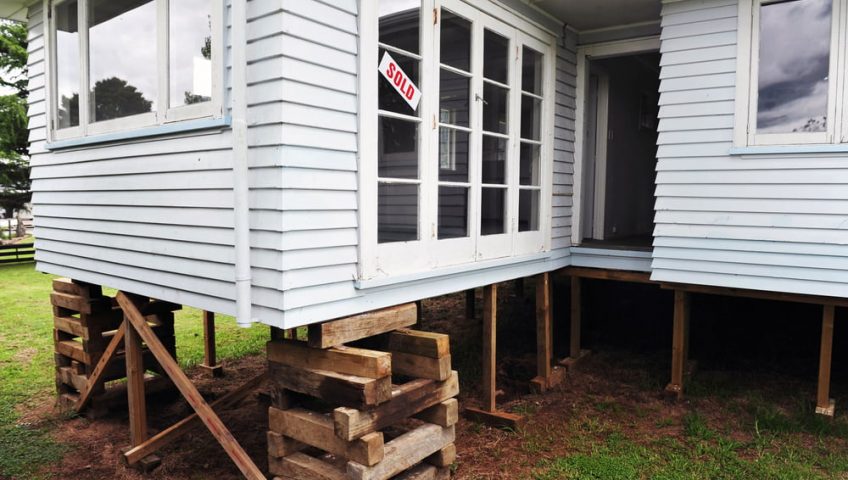
How often should you restump a house

If it is build on concrete slab it will last, otherwise most houses need restumping at some stage, for example older homes are built on timber stumps which will last anywhere from 15 to 80 years.

Concrete slabs are beneficial if flooding occurs, setting it apart from the timber stumps where the wood will rotten with time if floods do happen.

Who Do You Call For Houserestumping?

It is best to call a restumping professional rather than DIY restumping a house yourself. This is very important, as if this is not done correctly, you may be compromising the structural integrity of your home as well as the safety of your family.

Be sure that the person you contact has the appropriate experience, as well as insurance. It is best to always choose a licensed tradesperson.

Re stumping a house

Re stumping also known as re blocking, is to replace or to reset the stumps on a house that uses a stump sub floor, also in houses that have wooden stumps which have rotted of moisture in the soil.

As well older houses that are planning to do big renovations so it can support the additional strain to the house. It is big a responsibility to do re stumping to any house therefore it needs to be carefully done otherwise it will be very dangerous for both owners and the house.

How long does it take to restump a house

An entire reblocking can be finished as quickly as 3 to 7 days depending on the size of the house but also how long it takes will depend on a number of factors, including whether you are completely or partially restumping your home.

If only a few stumps are being replaced it will take approximately one to three days.  You do not need to move out while the house is being restumped, nearly all houses do not require you to move out whilst we reblock your house. If it is needed, we will always advise you before we start work.